
Asphalt Paving vs. Concrete: Choosing the Right Surface
People searching for asphalt paving often want durable, smooth surfaces; local contractors can help determine the best option and handle the installation professionally.
If you're exploring options for upgrading or installing a new driveway, parking lot, or other paved surfaces, understanding the differences between asphalt paving and concrete is essential. Property owners in the area often consider these choices based on practical factors such as durability, maintenance needs, and overall appearance. Making an informed decision can help ensure the surface you choose aligns with your property's functionality and aesthetic goals. Local contractors specializing in asphalt paving and concrete work are equipped to provide guidance tailored to your specific project, helping you weigh the benefits of each material effectively.
Continuing to learn about asphalt paving versus concrete can reveal insights into which surface best suits your property's demands and your long-term plans. Whether prioritizing cost-effectiveness, ease of repair, or visual appeal, the right choice depends on your unique circumstances. Connecting with experienced service providers in the area can clarify your options and support you in selecting a surface that meets your needs. Keep reading to discover practical considerations and how local asphalt paving specialists can assist in bringing your project vision to life.
- Driveway installation - local contractors can help determine if asphalt paving or concrete suits the durability and maintenance needs of a driveway.
- Parking lot paving - service providers assess traffic volume and weather conditions to recommend the best surface choice for commercial lots.
- Pathways and walkways - local pros evaluate the usage frequency and aesthetic preferences to suggest either asphalt or concrete options.
- Repairs and resurfacing - experts identify the underlying issues and advise on whether asphalt or concrete repairs will provide the most long-lasting solution.
- New construction projects - service providers guide clients through surface selection based on project scope, budget, and intended use.
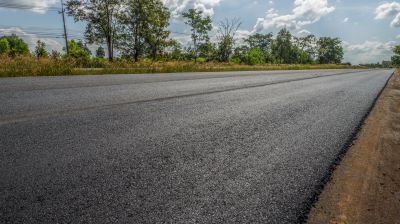
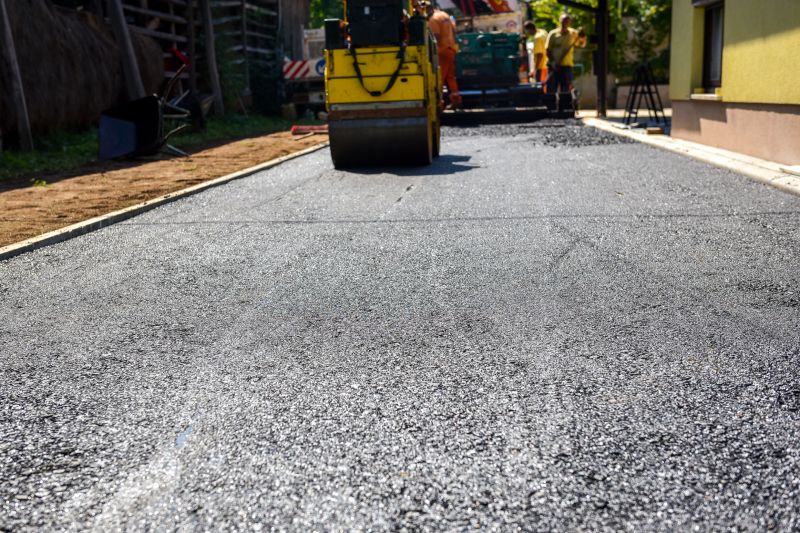
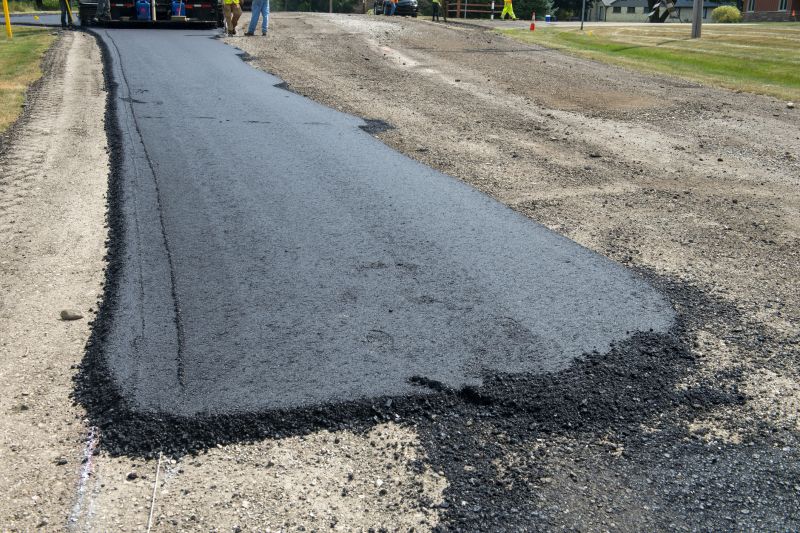
When homeowners search for information about asphalt paving vs. concrete: choosing the right surface, they are often trying to determine which material best suits their upcoming project, whether it’s for a driveway, parking area, or walkway. This topic typically comes up during planning phases when property owners want to understand the differences between these two popular paving options. They may be considering factors such as durability, appearance, maintenance needs, and long-term performance to ensure the chosen surface will meet their specific needs. Understanding the basics helps homeowners make informed decisions that align with their property’s use, climate, and aesthetic preferences.
Many property owners face problems related to surface longevity, cost-effectiveness, and suitability for their property type. For example, those with residential driveways might prioritize a surface that withstands regular vehicle traffic and harsh weather conditions, while commercial properties may look for durable, low-maintenance options that can handle higher volumes of traffic. The plans often involve replacing an aging or damaged surface or installing a new one that enhances curb appeal and functionality. The decision between asphalt paving vs. concrete: choosing the right surface is closely tied to these considerations, as each material offers different strengths and weaknesses that can impact the property’s usability and appearance over time.
The types of properties that typically come up in discussions about asphalt paving vs. concrete: choosing the right surface include residential homes, commercial buildings, parking lots, and public spaces. Residential properties often involve driveways, walkways, or patios, where homeowners seek a balance of cost, ease of installation, and visual appeal. Commercial properties may require larger parking areas or loading zones that need to support heavy traffic and frequent use. Public spaces, such as parks or community centers, might prioritize durability and safety features. Local contractors specializing in asphalt paving or concrete work can assess these property types and recommend the best surface based on the project’s specific demands and conditions.
For homeowners considering this choice, understanding how asphalt paving and concrete differ in practical terms helps clarify which surface might be best for their project. Asphalt tends to be more flexible, quicker to install, and easier to repair, making it suitable for driveways and areas where cost and speed are priorities. Concrete, on the other hand, offers a longer-lasting, more resistant surface that can be shaped into various finishes, ideal for areas requiring a more polished appearance or higher load-bearing capacity. Connecting with experienced local service providers can help property owners evaluate their property’s unique needs and select the right surface, ensuring a durable and functional outcome tailored to their property’s use.
Driveway Installation - local contractors specializing in driveway paving can help determine whether asphalt or concrete best suits residential needs and property styles.
Parking Lot Paving - professionals experienced in large-scale paving projects understand the differences in durability and maintenance between asphalt and concrete surfaces.
Sidewalk Construction - local service providers can assist in selecting the right material for pedestrian pathways based on usage and longevity considerations.
Patio and Outdoor Surface Projects - experts can advise on material choices that complement outdoor living spaces, balancing aesthetics and functionality.
Roadway Resurfacing - local paving specialists are skilled in upgrading existing surfaces with the appropriate material for traffic volume and environmental conditions.
Sealcoating and Surface Repairs - service providers can perform maintenance that extends the lifespan of asphalt or concrete surfaces, ensuring optimal performance over time.
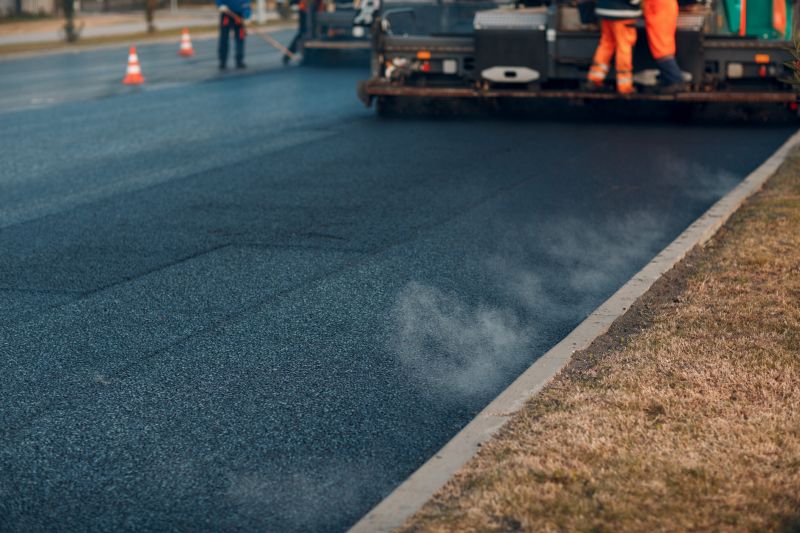
When evaluating asphalt paving versus concrete for a driveway or other surface, it is important to consider the experience of local contractors with similar projects. Homeowners should inquire about the types of surfaces the service providers have worked on before and whether they have handled projects comparable in size and scope. Contractors with a proven track record in asphalt paving or concrete work can offer insights into what has worked well in similar situations, helping homeowners make informed decisions based on practical experience. This familiarity can also indicate the contractor’s ability to navigate potential challenges specific to each surface type, ensuring the project is completed efficiently and to expectations.
Clear, written expectations are essential when comparing local service providers for asphalt paving or concrete work. Homeowners should seek detailed proposals that outline the scope of work, materials to be used, and the projected process for installation or repair. Having this information in writing helps prevent misunderstandings and provides a basis for comparing how each contractor plans to approach the project. It also ensures that homeowners can assess whether the service providers are transparent about their methods and can deliver what is needed for the specific surface choice, whether asphalt paving or concrete.
Reputation and communication are key factors when selecting local contractors for asphalt paving services. Reputable service providers often have references or reviews that can give homeowners insight into past projects and customer satisfaction. Good communication throughout the process-such as responsiveness to questions and clarity about procedures-can make a significant difference in the overall experience. Homeowners should prioritize contractors who demonstrate professionalism and transparency, as these qualities often correlate with reliable execution and a smoother project from start to finish.
Property owners often search for asphalt paving vs. concrete: choosing the right surface when they are planning practical projects around their homes and businesses. Local pros provide Asphalt Paving services for everyday jobs and straightforward project options.
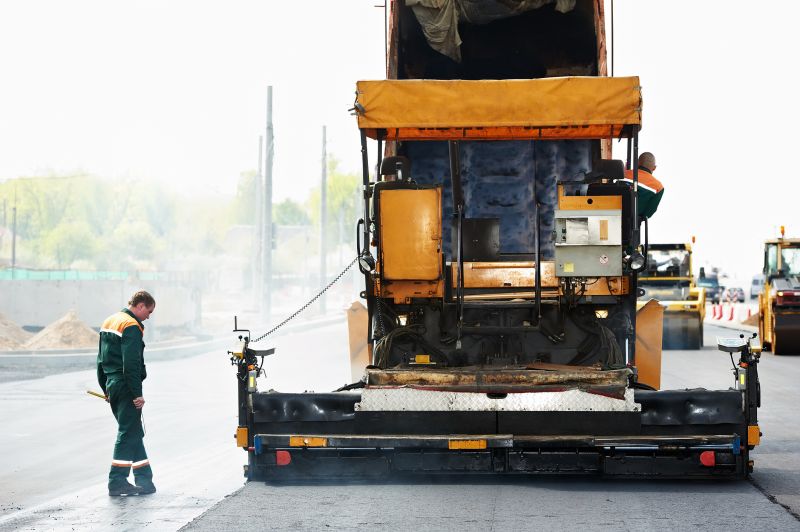
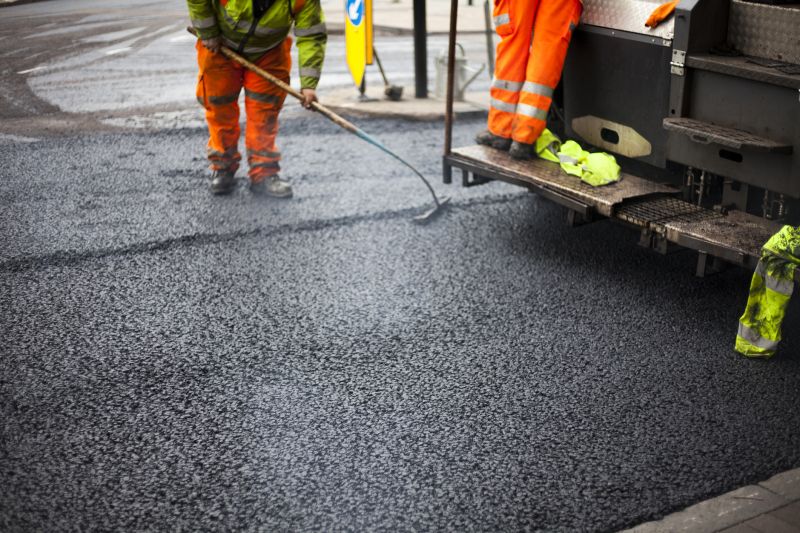
When considering a new driveway, parking area, or walkway, property owners often explore the differences between asphalt paving and concrete to determine which surface best suits their needs. Asphalt paving is known for its quick installation and smooth finish, making it a popular choice for those seeking a cost-effective and durable surface that can handle frequent use. On the other hand, concrete offers a long-lasting, low-maintenance option that can be customized with various finishes and colors, appealing to property owners looking for a more permanent solution. Local contractors specializing in asphalt paving can provide guidance on which material aligns with the specific demands of everyday use and the local climate.
Property owners in the area who are evaluating asphalt paving services often consider factors such as durability, appearance, and maintenance requirements. Asphalt tends to be favored for its ease of repair and ability to withstand heavy traffic, making it suitable for busy driveways and parking lots. Concrete, while more resistant to certain types of wear, may require more extensive planning for repairs but offers a sleek, polished look. Consulting with experienced local service providers can help property owners understand the practical benefits of each surface type and determine the best option for their project based on daily use, longevity, and overall aesthetic goals.
What are the main differences between asphalt paving and concrete surfaces? Asphalt paving typically offers a smoother, flexible surface that is easier to repair and maintain, while concrete provides a durable, long-lasting finish that can withstand heavy loads. Local contractors can help determine which option best suits specific project needs.
How does the appearance of asphalt paving compare to concrete? Asphalt generally has a darker, matte finish that can be sealed or colored, whereas concrete can be customized with various finishes, stains, and textures for a more decorative look. Local service providers can advise on aesthetic options for each surface type.
Which surface is better suited for areas with frequent heavy traffic? Concrete is often preferred for high-traffic areas due to its strength and longevity, but asphalt can also handle heavy loads when properly installed. Local contractors can assess the specific conditions to recommend the best surface.
Are there differences in maintenance requirements between asphalt paving and concrete? Asphalt surfaces usually require periodic sealing and repairs for cracks, while concrete may need less frequent maintenance but can be more susceptible to cracking over time. Local pros can provide guidance on ongoing upkeep for each surface type.
Can local contractors help decide between asphalt paving and concrete for a specific project? Yes, experienced local service providers can evaluate project factors such as usage, budget, and aesthetics to recommend the most suitable surface option for individual needs.
Assessing durability needs - property owners can work with local contractors to determine whether asphalt paving or concrete best withstands foot traffic, vehicle weight, and weather conditions.
Considering maintenance routines - choosing a surface involves planning for routine upkeep, and local service providers can advise on long-term care for asphalt versus concrete.
Matching aesthetic preferences - property owners can explore how each surface type complements their property's style and select a finish that aligns with their visual goals.
Evaluating installation options - consulting with local pros helps property owners understand the installation process and select the surface that fits their project's scope and timing.
If you are thinking about asphalt paving vs. concrete: choosing the right surface for a property, this guide is meant to help you understand this topic, the typical project types, and how different options might fit your plans.
When you are ready, you can use the quote form on this page to share a few details about your project. From there, local pros can review the basics and follow up with options that match what you have in mind.